%20Strategy%20(7).png)

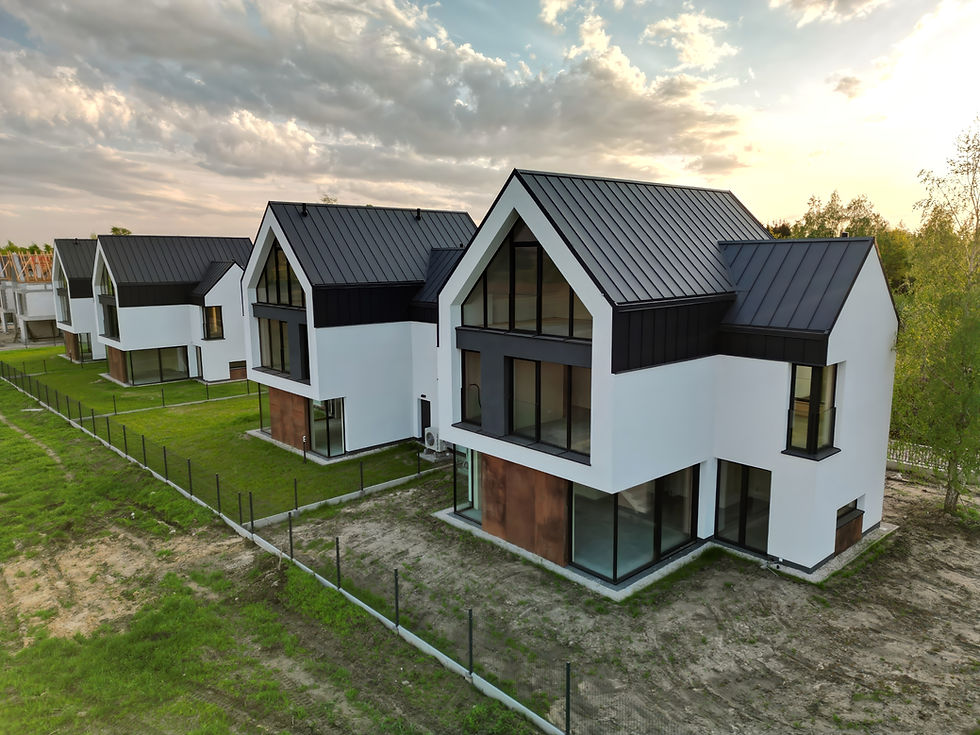
High-performance home designed for low-energy living
A structurally optimised, timber-framed dwelling delivering airtightness, thermal efficiency and renewable integration in line with the Future Homes Standard.

%20Strategy%20(7)_edited.png)
Airtight timber frame
Renewable integration
Thermal efficiency
This project was a chance to show how structural design can genuinely support sustainable goals. We weren’t just meeting performance targets - the structure was central to achieving airtightness, thermal efficiency, and long-term energy savings. It’s the kind of work that shows what’s possible when sustainability is considered from the ground up.
Holly Peirson
Structural Engineer
High-performance home designed for low-energy living
%20Strategy%20(1)_edited.png)
Airtight timber frame
Renewable integration
Thermal efficiency
Engineer:

This low-energy home demonstrates how structural design can support and enhance high-performance, sustainable construction.
Working closely with Mobbs Architects, GC Robertson provided full structural engineering for the foundations, timber-framed superstructure, and cantilevered patio slabs. The lightweight frame, combined with wood fibre insulation, helped the building achieve an airtightness of 0.6 air changes per hour at 50 Pascals - a key factor in its low energy demand.
Triple-glazed alu-clad windows with a U-value of 0.75 W/m²K, alongside a large south-facing glazed section and courtyard layout, optimise solar gain and privacy. The structure also accommodates an integrated air source heat pump and 6kWp photovoltaic system.
Designed to exceed the UK Future Homes Standard, this project highlights the role of sustainable structural engineering in delivering efficient, comfortable living spaces - ready for a low-carbon future.


Focus Areas
REFEA’s work is guided by six core principles that drive sustainable structural and civil engineering - turning practical design decisions into low-carbon outcomes across East Anglia.
Reuse First
Prioritising existing structures and materials to reduce waste and embodied carbon.
Early Design Collaboration
Involving engineers early to embed sustainability from concept to construction.

Low-Carbon Materials
Specifying materials with lower embodied carbon and designing for material efficiency.

Circular Design Thinking
Designing for adaptability, longevity, and future reuse from the outset.
%20Strategy%20(3)-min.png)
Integrated Drainage Solutions
Embedding SuDS into civil engineering for sustainable, climate-resilient developments.

Practical Sustainability
Delivering buildable, cost-conscious solutions that meet real environmental targets.

Sustainable
structures
east anglia
As structural engineers, we have a unique opportunity to influence how the built environment responds to the climate crisis. Reuse isn't just about saving materials - it's about rethinking value, preserving what works, and designing with long-term resilience in mind. Through REFEA, we hope to make reuse a more practical and achievable option on projects across East Anglia by sharing knowledge, highlighting viable approaches, and supporting early-stage design decisions.
Mark Weston
Structural Engineer, JMS Engineers
Knowledge is key to sustainable change. Explore our latest insights and technical resources:


Path to a Low-Carbon Built Environment
The built environment contributes nearly 40% of global carbon emissions, much of it through construction and materials. In East Anglia, reducing embodied carbon is critical to meeting sustainability goals. By reusing structures, designing efficiently, and integrating low-impact civil solutions, we can reshape how the region builds - and lead the way towards a net zero future.