%20Strategy%20(7).png)

Early Design Collaboration
At REFEA, we believe the most sustainable outcomes happen when engineers are involved early.

REFEA is a joint initiative by JMS Engineers and GC Robertson, promoting sustainability through smarter reuse and practical design in structural and civil engineering across Suffolk, Norfolk, Cambridgeshire, Essex and the wider East Anglia region.
Embedding sustainability from concept to construction
At REFEA, we believe the most sustainable outcomes happen when engineers are involved early.
Our structural and civil engineering teams work closely with architects, developers, and planners to embed low-carbon thinking from the outset - ensuring every decision supports long-term environmental performance, cost-efficiency, and constructability.
Whether you're masterplanning in Cambridge or designing a school in Norwich, our early-stage collaboration improves clarity, reduces carbon, and helps unlock reuse opportunities that would otherwise be missed.
.png)
What We Provide

Pre-planning structural & civil engineering input
Collaborative sketch schemes to explore structural and drainage options
Early-stage material and systems advice
Carbon reviews
SuDS and infrastructure guidance for masterplans
Feasibility input for low-carbon and reuse-led sites
Making Sustainability Deliverable
Sustainable ambitions don’t always survive detailed design. But when REFEA members are involved early, we help make sure they do. Our engineers bridge the gap between ideas and implementation - helping design teams deliver on their environmental goals.
We assess the viability of retaining or repurposing existing structural elements, helping reduce demolition waste and embodied carbon.
We design integrated SuDS strategies that manage surface water naturally, reduce flood risk, and support biodiversity.
Our engineers design structures using low-carbon materials, optimised steel/concrete usage, and efficient detailing to minimise environmental impact.
We provide structural and civil input into retrofit schemes - ensuring existing assets can be adapted and extended rather than replaced.
We work alongside design teams to evaluate carbon impacts across the project lifecycle and propose meaningful reductions at the design stage.
Sustainable Design Services
Our civil and structural engineering services support low-carbon construction, resource efficiency, and long-term resilience.
Focus Areas
REFEA’s work is guided by six core principles that drive sustainable structural and civil engineering - turning practical design decisions into low-carbon outcomes across East Anglia.
Reuse First
Prioritising existing structures and materials to reduce waste and embodied carbon.
Early Design Collaboration
Involving engineers early to embed sustainability from concept to construction.
Low-Carbon Materials
Specifying materials with lower embodied carbon and designing for material efficiency.

Circular Design Thinking
Designing for adaptability, longevity, and future reuse from the outset.
%20Strategy%20(3)-min.png)
Integrated Drainage Solutions
Embedding SuDS into civil engineering for sustainable, climate-resilient developments.

Practical Sustainability
Delivering buildable, cost-conscious solutions that meet real environmental targets.

Sustainable
structures
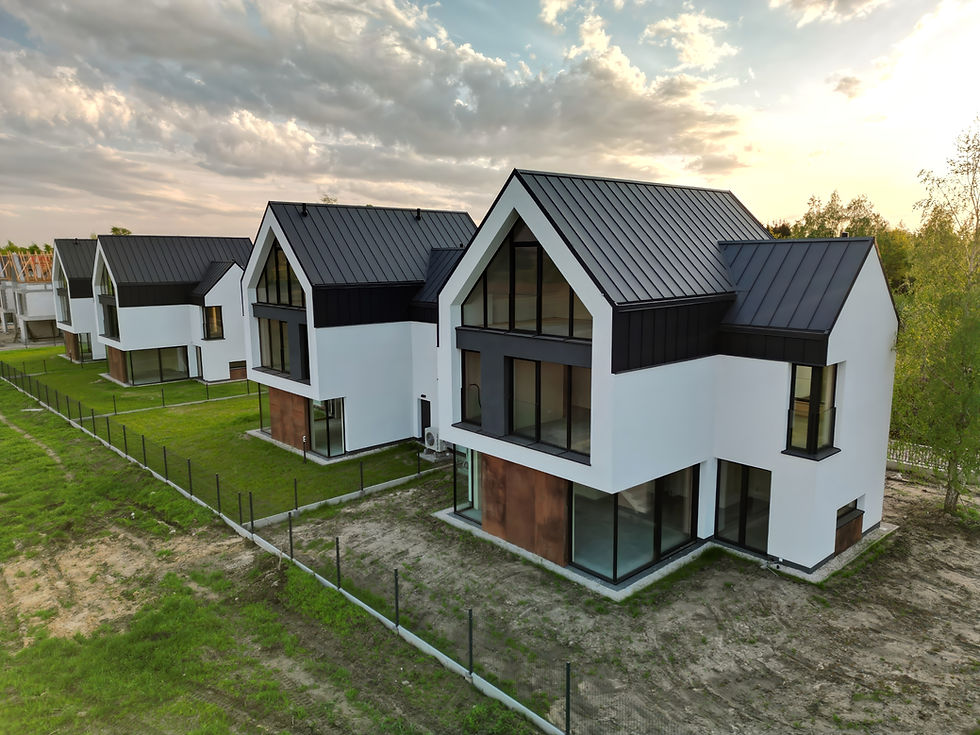
east anglia
As structural engineers, we have a unique opportunity to influence how the built environment responds to the climate crisis. Reuse isn't just about saving materials - it's about rethinking value, preserving what works, and designing with long-term resilience in mind. Through REFEA, we hope to make reuse a more practical and achievable option on projects across East Anglia by sharing knowledge, highlighting viable approaches, and supporting early-stage design decisions.
Mark Weston
Structural Engineer, JMS Engineers
Knowledge is key to sustainable change. Explore our latest insights and technical resources:


.png)
Path to a Low-Carbon Built Environment
The built environment contributes nearly 40% of global carbon emissions, much of it through construction and materials. In East Anglia, reducing embodied carbon is critical to meeting sustainability goals. By reusing structures, designing efficiently, and integrating low-impact civil solutions, we can reshape how the region builds - and lead the way towards a net zero future.